
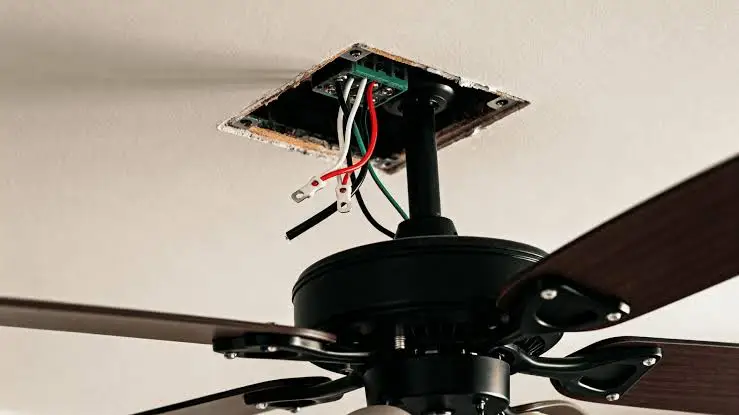
The best time for homeowners to schedule a ceiling fan installation in Rancho Cordova, CA is during the spring months of March through May, right before the intense Sacramento Valley heat arrives. Booking early ensures your home is ready for the first summer heat wave, keeps your attic cooler for the electrician working above your rooms, and gives you plenty of time to handle any local permitting requirements. Waiting until June or July often means dealing with uncomfortable indoor temperatures while you wait for an open appointment.
Why Timing Matters for Rancho Cordova Summers
Anyone who has lived through a summer in the greater Sacramento area knows how quickly the weather goes from mild to scorching. According to the NOAA climate report for Sacramento, the Southern Sacramento Valley experiences virtually cloudless summers with warm, dry days. Once that uninterrupted sunshine settles in over Rancho Cordova, daytime highs regularly push past the triple-digit mark.
When the first major heat wave hits, local electrical and HVAC companies see a massive surge in service calls. Homeowners who wait until their bedrooms are already stuffy often face longer wait times for appointments. By planning your project in the spring, you get ahead of the seasonal rush and start enjoying better airflow on the very first warm day of the year.
Spring installation is also much easier on your home and the technician doing the work. If your room does not have existing ceiling wiring, an electrician will need to climb into your attic to run new cables and secure a fan-rated mounting box. In April, attic temperatures are manageable, making it much safer and faster to complete complex wiring runs than it would be on a 100-degree July afternoon.
How Ceiling Fans Help Manage Summer Cooling Costs
Air conditioning is the biggest driver of summer utility bills in Rancho Cordova, especially during peak afternoon and evening hours. Ceiling fans do not actually lower the temperature of the air in a room, but they create a wind-chill effect across your skin that makes the space feel several degrees cooler. This steady breeze allows you to raise your thermostat setting without sacrificing comfort.
In their SMUD heat wave safety tips, our local utility provider notes that ceiling fans help occupants stay comfortable using less air conditioning, while emphasizing that you should always turn fans off when leaving the room. Because fans cool people rather than spaces, leaving a fan spinning in an empty bedroom only wastes electricity. Pairing smart fan habits with your central air conditioner is one of the easiest ways to reduce wear and tear on your cooling system.
To get the most out of your fans before summer arrives, consider targeting these high-priority areas in your home:
- Primary bedrooms: A quiet, multi-speed fan keeps air moving through the night so you can sleep comfortably without running the AC nonstop.
- Family and living rooms: Large gathering spaces benefit from wider fan blades that circulate cooled air evenly into corners.
- Home offices: Computers and monitors generate extra heat in small rooms, making overhead airflow essential for daytime comfort.
- Covered patios: Outdoor-rated ceiling fans make backyard decks and patios much more usable during warm Sacramento Valley evenings.
Signs You Should Upgrade or Install Fans This Spring
Not sure if your home needs new fans before the weather warms up? Walking through your rooms in early spring gives you a chance to spot airflow problems and outdated fixtures before you rely on them daily.
Look for these common signs that it is time to call a local electrician in Rancho Cordova, CA:
- Wobbling or humming fixtures: Older fans that shake, click, or buzz at medium and high speeds may have worn bearings, unbalanced blades, or loose mounting brackets.
- Rooms with no overhead fixtures: Many homes in the area were built with switched wall outlets instead of ceiling lights, leaving the center of the room dark and stagnant.
- Uneven room temperatures: Upstairs bedrooms and south-facing rooms often trap heat and need dedicated air circulation to match the rest of the house.
- Outdated lighting: If your current fan uses inefficient bulbs or casts dim light, upgrading to a modern fan with an integrated LED light kit or pairing it with recessed lighting installation can transform the room.
What Goes Into a Safe Ceiling Fan Installation
Swapping out a basic light fixture for a ceiling fan involves more than just connecting a few wires. Ceiling fans are heavy and create continuous motion and vibration while operating. A standard plastic electrical box designed for a lightweight flush-mount light cannot safely support a spinning fan.
Here is what a professional installation involves to keep your home safe and up to code:
- Inspecting the mounting support: The electrician checks whether you have a heavy-duty, UL-listed fan-rated box anchored directly to a ceiling joist or supported by an expandable steel brace.
- Evaluating the circuit and switches: If you want independent wall controls for the fan motor and the light kit, the installer will check the wiring between the wall switch and the ceiling to see if an extra conductor is needed.
- Checking local permit guidelines: According to the Sacramento County building permit FAQ, installing ceiling fans and lights are typical projects that may require a building permit. Working with a qualified professional ensures that new wiring runs, structural boxes, and circuit connections follow local electrical codes.
- Balancing and testing: Once the motor housing, downrod, and blades are assembled, the fan is tested across all speeds to verify smooth, quiet operation.
If your older home experiences flickering lights or tripping breakers when you add new fixtures, it is also smart to schedule electrical troubleshooting to make sure your circuits are not overloaded before summer AC usage peaks.
Getting Your Home Ready with Lux Dei Electric
At Lux Dei Electric, we help homeowners across Rancho Cordova, Sacramento, Fair Oaks, Folsom, and the surrounding 30-mile radius prepare their homes for every season. Whether you are replacing an old, noisy bedroom fan or running brand-new wiring for ceiling fans in every room, our team handles the heavy lifting, attic wiring, and switch upgrades cleanly and safely.
We also love connecting with our neighbors and making home upgrades more affordable. Right now, you can claim our special offer for 10% off your next project before the summer rush begins. You can also see recent projects and updates by visiting our Facebook page or following us on Instagram.
If we have already helped you upgrade your home's lighting or cooling comfort, we would greatly appreciate it if you shared your experience on our Google review page or through our customer feedback form. Homeowners planning larger seasonal upgrades can also let us know how we can help by filling out our project planning form.
Frequently Asked Questions
Can I replace a regular ceiling light with a ceiling fan?
Yes, in most cases a standard ceiling light can be replaced with a ceiling fan, but the electrical box in the ceiling almost always needs to be upgraded first. Standard light boxes are not built to hold the weight and vibration of a fan motor, so an electrician will install a fan-rated brace box anchored securely to the ceiling framing.
Can a ceiling fan be installed in a room with no existing ceiling fixture?
Absolutely. Many Rancho Cordova homes have bedrooms without overhead lights. An electrician can access the attic or fish wires behind the drywall from an existing wall switch to the center of the ceiling, install a fan-rated support box, and wire the new fan directly to your wall controls.
Which direction should my ceiling fan spin in the summer?
During the summer months, your ceiling fan should spin counterclockwise when you look up at it. This blade direction pushes air straight down toward the floor, creating a cooling breeze on your skin. In the winter, you can flip the directional switch on the fan housing to spin clockwise on low speed, which gently circulates warm air trapped near the ceiling.
How long does professional ceiling fan installation take?
Replacing an existing ceiling fan where a proper fan-rated box is already in place typically takes about one to two hours per fan. If the project requires crawling into the attic to install a new support brace, fishing new wire down a wall, or adding a new wall switch, it generally takes two to three hours.