
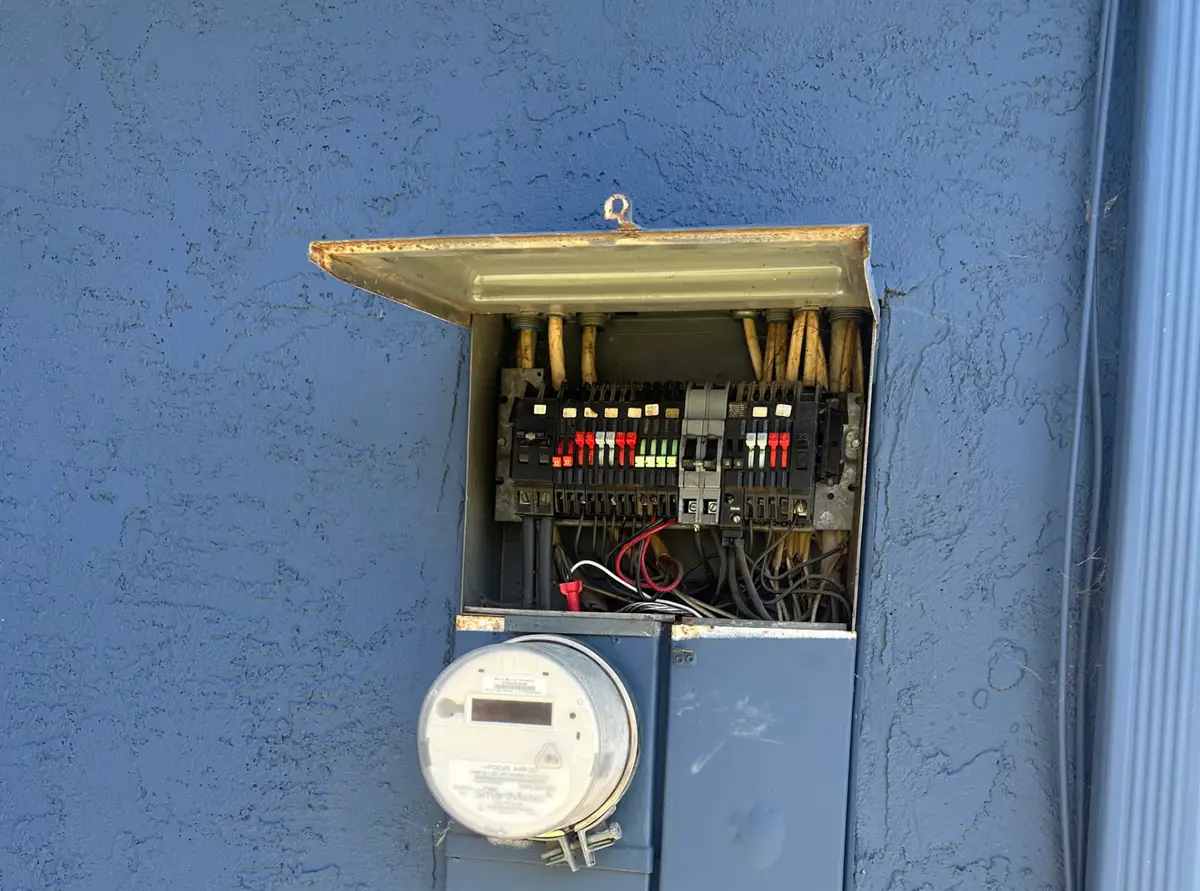
An electrical panel upgrade in the Greater Sacramento area is not always mandatory when you add new electric appliances, because many homes can electrify using their existing system after a professional load calculation. However, adding high-demand equipment like a fast electric vehicle charger or an induction range that draws up to 40 amps will require a panel upsize if your current box lacks the physical space or amperage capacity. Working with a licensed electrician to evaluate your capacity and pull the required local building permits ensures your home stays safe and up to code.
Do You Always Need an Electrical Panel Upgrade in the Greater Sacramento Area?
Homeowners switching from gas to electric appliances often assume they must immediately replace their breaker box. According to the California Energy Commission homeowner energy resource hub, most homes actually have adequate panels and grid connections to electrify fully without upsizing.
Rather than assuming a full replacement is mandatory, state energy experts advise starting with a professional load assessment. During comprehensive electrical inspections, an electrician calculates how much power your household uses right now and compares it to the demand of the new appliances you plan to install.
Smart load management, efficient heat pump technology, and tandem breakers can sometimes help a 100-amp or 125-amp panel support new equipment safely. However, older homes in Rancho Cordova, Carmichael, Fair Oaks, and across the Sacramento region frequently have outdated panels, full breaker slots, or aging wiring that cannot safely take on heavy new circuits.
How New Electric Appliances Impact Your Home Panel Capacity
Modern electric appliances are much more efficient than older models, yet major heating, cooling, and charging equipment still draws significant amperage. The California Energy Commission notes that major loads like high-speed EV chargers or electric cooking appliances can draw up to 40 amps on their own.
If your existing circuits and main breaker cannot safely handle that additional demand, scheduling professional main panel upgrades becomes necessary to prevent overloaded wires and constantly tripping breakers. Here are the most common upgrades that push a household electrical system past its limit:
- Level 2 EV Chargers: While a standard wall outlet charges slowly, a dedicated 240-volt charger for an electric vehicle typically requires a 40-amp to 60-amp circuit. Reviewing your capacity before booking an EV charger installation helps determine if your current panel has room.
- Induction Ranges and Electric Ovens: Replacing a gas stove with an electric or induction range usually adds a 40-amp to 50-amp 240-volt circuit to your kitchen.
- Heat Pump Water Heaters and HVAC Systems: Switching from a gas furnace and water heater to electric heat pumps adds continuous loads that must be factored into your home's total amperage calculation.
- Electric Clothes Dryers: Moving from a gas dryer to a standard electric model generally requires a dedicated 30-amp circuit.
- Solar and Battery Storage: If you are pairing new electric appliances with battery backup installation or rooftop solar, your busbar rating and breaker spaces must meet strict electrical code requirements.
When existing circuits cannot support these additions, an electrician may recommend upsizing your service panel to 200 amps or installing a new dedicated circuit installation alongside a subpanel.
Signs Your Home Needs a Panel Upsize Before Adding Appliances
Even before you purchase a new range, heat pump, or vehicle charger, your home may already be showing signs that its electrical system is maxed out. Watch for these clear warning signs around your house:
- No open breaker slots: You open the metal door on your main panel and every single slot is already filled with a circuit breaker.
- Breakers trip when running multiple appliances: Using the microwave and a hair dryer or running the AC and laundry at the same time causes a breaker to shut off.
- A 100-amp or smaller main breaker: Older homes built decades ago around Sacramento, Citrus Heights, and Roseville often have 60-amp or 100-amp service panels that were never designed for modern all-electric living.
- Flickering or dimming lights: Your interior lights dip noticeably whenever a large appliance like your central air conditioner kicks on.
- Outdated or recalled panel brands: Older panels with fuses or worn-out internal components should be replaced for safety regardless of your appliance plans.
Permits and Steps for Upgrading Your Panel in Sacramento County
Upgrading an electrical panel or adding new 240-volt appliance circuits is not a DIY job. According to the Sacramento County Building Permits and Inspection FAQ, electrical panels and circuits are regulated projects that require official building permits.
Working with a qualified local electrical contractor keeps the process smooth and compliant from start to finish. Here is how a typical panel assessment and upgrade works in the Greater Sacramento area:
- On-Site Load Calculation: Your electrician inspects your current main panel, checks the condition of your grounding and wiring, and calculates the exact electrical load of your current and future appliances.
- Choosing the Right Solution: If your current panel has enough capacity, the electrician simply plans the new circuits. If the load is too high, they design a main panel upgrade that fits your home and budget.
- Permitting and Utility Coordination: Your contractor submits the permit application to Sacramento County or your local city building department and coordinates any required power shutoffs with SMUD or PG&E.
- Installation Day: The crew safely disconnects power, removes the old box, installs the new panel and breakers, labels every circuit clearly, and wires any new appliance outlets.
- Final Inspection: A local building inspector reviews the completed work to verify that all grounding, clearances, and breaker connections meet California electrical code before utility power is fully finalized.
Schedule Your Load Assessment With Lux Dei Electric
Whether you live in Rancho Cordova, Folsom, Elk Grove, Woodland, Fairfield, or Yuba City, our team at Lux Dei Electric is ready to help you prepare your home for new electric appliances. We carry a 5-star rating across 63 Google reviews, and you can read feedback from your neighbors or leave a review on our Google Business Profile review page or through our customer feedback form.
If you are planning an appliance upgrade or EV charger project, claim 10% off your next project or fill out our project value request form to get started. You can also follow our latest local work on Facebook and Instagram, or call us directly at (916) 879-2995 Monday through Saturday from 8am to 6pm.
Frequently Asked Questions
Do I have to upgrade my electrical panel to install an EV charger or electric stove?
Not always. The California Energy Commission notes that many homes can electrify without upsizing their panel, provided a load calculation shows the existing panel can handle the demand. However, because high-speed EV chargers and electric ranges can draw up to 40 amps or more, homes without enough spare capacity or open breaker slots will need an upgrade.
Do I need a permit to upgrade my electrical panel in Sacramento County?
Yes. Sacramento County regulates electrical panels and new circuits, requiring a building permit and final inspection to verify the installation meets safety codes.
How many amps does a modern electric range or EV charger use?
High-speed Level 2 EV chargers and electric or induction cooking appliances commonly draw up to 40 amps or more on a dedicated 240-volt circuit. An electrician will check your existing circuits to see if your panel can safely support that extra load.
How do I know if my current panel can handle another appliance?
The only reliable way to know is to have a licensed electrician perform an electrical load assessment. They will inspect your main breaker rating, count your available breaker spaces, and calculate your household peak power usage before you buy or install your new appliance.