
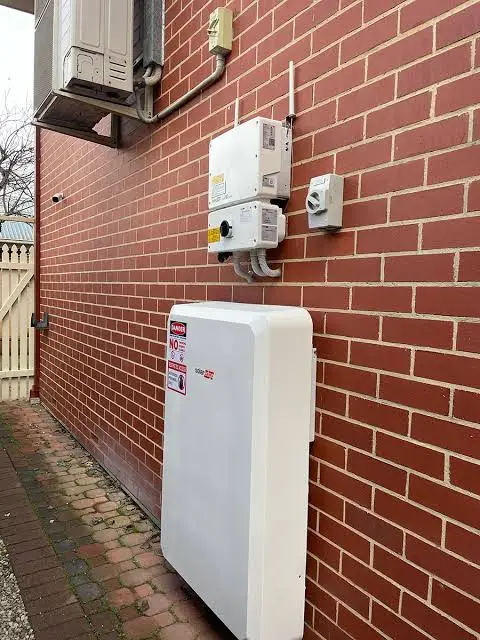
To keep your essential circuits running during a blackout, you need a dedicated critical load setup paired with a transfer switch or a home battery storage system. Setting up reliable backup power in the Greater Sacramento area ensures your refrigerator, medical equipment, and Wi-Fi stay on when the local utility grid goes dark. With extreme weather and wildfire risks affecting Northern California each year, preparing your home electrical system in advance is the safest way to protect your household.
Why Power Outages Happen Across the Sacramento Region
Homeowners from Rancho Cordova and Folsom to Woodland and Yuba City experience grid disruptions for several reasons. Winter atmospheric rivers bring high winds that knock down tree limbs and power lines. During the hot, dry summer and fall months, high heat strains the electrical grid while dry winds increase fire danger.
According to Sacramento County emergency power outage resources, regional utilities including both SMUD and PG&E implement Public Safety Power Shutoffs (PSPS) during severe weather or elevated wildfire threats. When utility companies de-energize lines to prevent sparks, neighborhoods can lose electricity for hours or even days. Reviewing PG&E Public Safety Power Shutoff policies and procedures shows just how important it is to evaluate your home backup options and prepare before an outage warning is issued.
Choosing Which Essential Circuits to Power
Unless you invest in a massive whole-home system, most residential backup setups are designed to power a specific group of essential circuits rather than every appliance at once. Focusing on your core daily needs helps keep your battery or generator running much longer.
When planning your backup setup, an electrician will typically help you isolate these high-priority loads into a dedicated subpanel:
- Kitchen Refrigeration: Keeping your main refrigerator and standalone freezer running prevents hundreds of dollars in spoiled groceries.
- Medical Devices: CPAP machines, oxygen concentrators, and refrigerated medications require uninterrupted power.
- Home Office and Communications: A circuit for your internet router, modem, and phone chargers keeps you connected to emergency alerts and remote work.
- Essential Lighting and Garage Doors: Powering a few key hallway lights and the garage door opener ensures you can move around and leave your property safely.
- Well Pumps or Sump Pumps: If you live in a rural pocket around Sacramento, Fairfield, or Yuba City, losing power to a water well pump means losing running water.
Heavy electrical loads like central air conditioners, electric clothes dryers, ovens, and EV chargers draw a large amount of amperage. Leaving them off your essential circuit list allows a standard backup system to last through multi-day outages.
Top Solutions for Backup Power in the Greater Sacramento Area
Once you know which circuits matter most to your family, you have two main pathways to keep them energized safely. Both methods isolate your home from the street grid so you never accidentally send electricity back into utility lines where crews are working.
Home Battery Storage and Solar Integration
A home battery system stores electricity from the grid or your rooftop solar panels and automatically switches on within milliseconds of an outage. You do not have to haul gasoline, pull a starter cord in the dark, or listen to a loud engine outside your window.
If you are in the Sacramento Municipal Utility District territory, SMUD homeowner battery storage guidelines explain how battery systems can supply critical backup power during grid outages based on system size and program terms. When paired with professional battery backup installation, a modern lithium-iron-phosphate or lithium-ion battery seamlessly powers your essential subpanel. If you also have solar panels, the sun can recharge your battery during the day to extend your runtime through multi-day shutoffs.
Portable Generators With a Transfer Switch
If you already own a portable gas, propane, or dual-fuel generator, running extension cords through cracked windows is both inconvenient and hazardous. Cords create tripping hazards, let carbon monoxide seep indoors, and cannot power hardwired items like ceiling lights or furnace blowers.
The proper electrical solution is a professional transfer switch installation or a code-compliant breaker interlock kit. An electrician mounts a weatherproof power inlet box on the outside of your house and wires a transfer switch next to your main panel. When an outage hits, you roll your generator to a safe distance outside, plug a single heavy-duty cord into the inlet box, and flip the switch to send power directly through your home's existing wall outlets and switches.
Preparing Your Main Electrical Panel for Backup Power
Before adding a battery wall or a generator switch, it is vital to make sure your home's central electrical distribution system is up to the task. Many older homes in established Sacramento neighborhoods still run on outdated 100-amp panels or aging breaker boxes that lack the physical space for critical load circuits.
Here is how a licensed electrician gets your home ready for reliable backup power:
- Load Calculation and Inspection: The electrician measures your home's total electrical demand and inspects the condition of your existing breakers, wiring, and grounding.
- Panel Modernization: If your box is full, outdated, or undersized, scheduling main panel upgrades ensures you have the capacity and safety mechanisms required by California electrical codes.
- Critical Load Subpanel Wiring: Your chosen essential circuits are moved from the main panel into a dedicated backup subpanel so they can be isolated the moment the utility grid fails.
- System Testing: Once your battery or transfer switch is wired and permitted, the technician simulates a grid outage to verify that every essential circuit stays running smoothly.
Local Help From Lux Dei Electric
At Lux Dei Electric, we help homeowners across Rancho Cordova, Sacramento, Fairfield, Yuba City, Woodland, and the surrounding 30-mile radius prepare their homes for unexpected blackouts. You can also explore our current website to learn more about our residential electrical services. Whether you want a quiet solar battery system, a generator transfer switch, or a panel evaluation, our team handles the wiring cleanly and safely.
We are proud to have earned 63 5-star reviews from local homeowners, and we love hearing how our work performs when the power goes out—if we have worked on your home recently, you can share your experience on our Google review page or through our customer feedback form. To stay updated on seasonal electrical tips and see recent installations, follow us on Facebook and Instagram.
Ready to set up your home's backup circuits before the next storm or PSPS event? Claim 10% off your next project or fill out our project value request form to get started. You can also reach out through our contact page or call us Monday through Saturday from 8am to 6pm at (916) 879-2995.
Frequently Asked Questions
Can I plug a portable generator directly into a wall outlet during an outage?
No, plugging a generator into a standard wall outlet—a dangerous practice known as backfeeding—is illegal and life-threatening. It sends high-voltage electricity backward through your home's transformer and onto neighborhood utility lines, which can electrocute utility workers and cause electrical fires in your walls. Always use a properly installed transfer switch or breaker interlock.
How many circuits can a home battery backup run at once?
A single standard home battery typically backs up 6 to 12 essential 120-volt circuits, covering your refrigerator, internet, lighting, and a few bedroom or kitchen outlets. If you want to back up 240-volt appliances like a central air conditioner or well pump, you may need a higher-capacity battery or multiple stacked batteries.
Do I need solar panels to install a battery backup system?
No, you can install a standalone battery backup system that charges directly from SMUD or PG&E grid power while electricity is available. However, pairing a battery with rooftop solar panels allows your system to recharge itself each day if a power outage lasts for several days.
Do I need a permit to install a transfer switch or battery backup in Sacramento County?
Yes, both battery storage systems and generator transfer switches require local building permits and utility interconnection approval as applicable. Working with a licensed electrician ensures your installation passes city or county inspection and meets all utility safety standards.